The Benefits of Integrated Pest and Termite Control Services
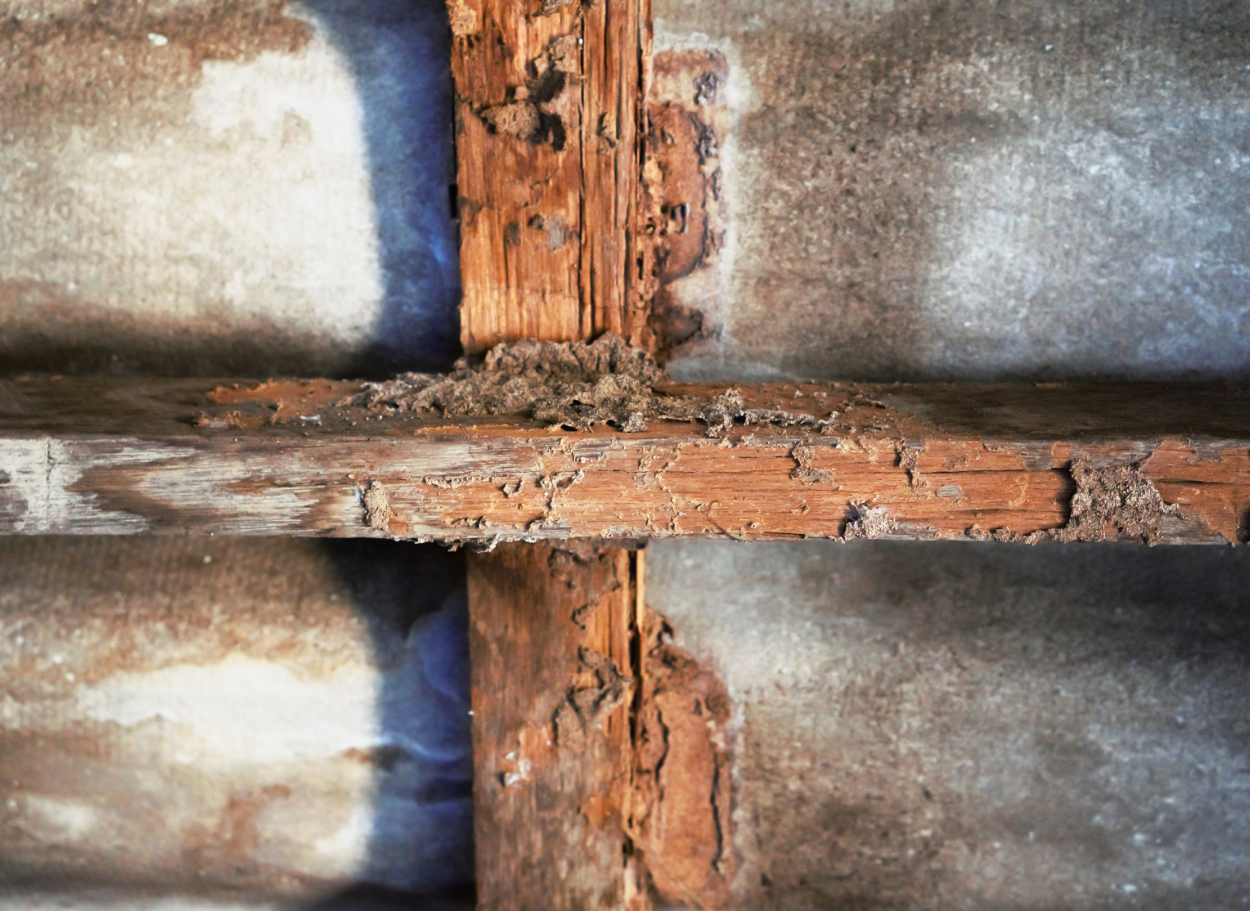
Property owners often call for help when they see the first obvious sign of trouble: a line of ants across the kitchen bench, a wasp nest under the eaves, mud tubes along a garage wall, or a hollow-sounding skirting board that was solid six months earlier. The instinct is understandable. Most people respond to the pest they can see. The problem is that pests rarely operate in isolation, and the conditions that attract one intruder often create ideal shelter for another.
That is why integrated pest and termite control services have become the smarter option for many homes and commercial buildings. Rather than treating termites as one issue and general pests as another, an integrated approach looks at the whole property, the way moisture moves through it, how landscaping interacts with foundations, where food sources are available, and what structural details create access points. It connects the dots. In practice, that means fewer surprises, better long-term protection, and a maintenance plan that reflects how buildings actually perform over time.
For anyone responsible for a property, whether it is a family home, a strata complex, a retail tenancy, or a warehouse, there is real value in understanding why coordinated service matters. Good termite work is never just about killing termites. Good pest work is never just about spraying what happens to be crawling around this week. The best results come from seeing the system as a whole.
Why separate treatments often miss the bigger picture
A common scenario goes like this. A homeowner books a general pest treatment in spring because cockroaches and spiders are becoming active. A few months later, after heavy rain, they notice winged termites near a window and call a different provider for an inspection. Each visit addresses a real concern, but neither technician may have the full history of the property. One sees pest pressure in living areas. The other focuses on timber risk, moisture points, and subfloor access. Useful work gets done, but the strategy is fragmented.
That fragmentation matters because pest and termite activity often share the same enabling conditions. Poor drainage around the slab, leaking taps, timber stored against external walls, dense garden beds touching the structure, cracked expansion joints, and blocked weep holes do not just raise the risk of termite attack. They can also support ants, cockroaches, rodents, silverfish, and a range of nuisance insects. If those conditions remain, treatment becomes reactive rather than preventive.
Integrated pest and termite control services reduce that gap. One provider, or one coordinated service plan, looks at the structure and its environment in a connected way. The technician is not only asking where termites could enter, but also why insects are thriving in roof voids, how rodents may be using the perimeter, and whether moisture management is undermining every treatment being applied.
That shift in perspective saves more than time. It often changes the outcome.
Termite risk is rarely isolated to one visible symptom
Termites are deceptive. In many cases, the damage is not dramatic at first glance. A door frame that feels slightly tight in humid weather, paint that appears bubbled for no obvious reason, a patch of skirting that sounds papery when tapped, these can all look minor until an inspection reveals galleries behind the surface. By the time visible damage appears, the colony may have been feeding for months or longer.
What makes termite control especially difficult is that treatment is only one layer of defense. Effective protection usually depends on inspection intervals, environmental correction, and a clear understanding of construction type. A brick veneer home on a slab presents different pathways than an older raised timber house with a subfloor. A property with retaining walls, irrigation, and heavy mulch near external walls behaves differently from a bare site with excellent drainage.
When termite control services are integrated with general pest management, those details are less likely to be overlooked. The person assessing the building is already paying attention to activity patterns, access routes, and environmental pressures across the site. That broader lens often leads to earlier intervention. A technician who notices ants trailing into a wall cavity may also be more alert to moisture damage nearby. A routine pest service can become the moment that uncovers a developing termite issue before structural repair costs escalate.
Better inspections lead to better decisions
One of the strongest arguments for integration is the quality of the inspection process. Standalone pest visits can be narrow by design. The task may be limited to treating a defined problem, and there may be little reason to inspect the full perimeter, roof void, garden interface, or subfloor conditions unless the scope allows it.
An integrated service encourages a fuller review. That does not mean every visit becomes a major invasive assessment. It means the property is considered as a living environment where pests exploit patterns, not random accidents. The technician builds a history over time. They know which side of the home stays damp after rain, where previous termite activity was found, whether bait stations have remained active, and which internal areas tend to attract seasonal pests.
That continuity improves judgment. It also reduces mixed messages. One provider is less likely to recommend sealing a ventilation gap for rodent control if doing so would create a moisture issue that raises termite risk. Another might avoid excessive chemical application in an area where a non-chemical termite management strategy is already in place. Coordination helps treatments work together rather than against each other.
This is especially useful in commercial settings. Restaurants, childcare centers, offices, body corporate properties, and medical clinics all have operational constraints. There may be strict service windows, health and safety requirements, recordkeeping expectations, and multiple stakeholders approving work. Integrated service streamlines communication. One schedule, one reporting trail, one set of site observations building over time.
Cost control is not just about the invoice
A lot of people compare pest control options by looking at the immediate price of the visit. That is understandable, but it can be misleading. The cheapest standalone treatment is not the lowest-cost solution if it fails to address the cause of the infestation or misses termite vulnerability that later leads to repairs.
Integrated pest and termite control services often make financial sense in three ways. First, they reduce duplicated callouts and repeated assessments. Second, they catch issues earlier, when treatment is simpler and structural damage is limited. Third, they improve the life of preventive measures because the surrounding conditions are being managed, not ignored.
I have seen properties where owners spent small amounts repeatedly on ant sprays, moisture cleanup, patch repairs, and ad hoc termite spot treatments, only to face a much larger remediation bill after concealed activity was discovered in a wall line. The frustrating part was that the warning signs had been there. They just sat in different folders, with different providers, treated as separate events.
A more coordinated program does not eliminate every risk. No honest professional should promise that. What it does is reduce the chance that a preventable issue turns into a compounded one.
The real value of a property-wide strategy
Integrated service works because pests do not respect service categories. A home with heavy cockroach pressure may have excess moisture under sinks, clutter in storage areas, and unsealed utility penetrations. That same home may also have landscaping that bridges the inspection zone or timber edging in direct contact with the structure. Each factor increases opportunity.
A property-wide strategy usually addresses several practical goals at once:
- reducing current pest activity
- lowering the likelihood of termite entry
- identifying environmental conditions that undermine treatment
- setting inspection intervals based on real risk
- creating a maintenance record that supports future decision-making
Those points sound simple, but together they change the standard of care. A house is no longer treated as a series of isolated complaints. It becomes a managed asset.
For landlords and property managers, that recordkeeping can be particularly important. Tenancy turnover often interrupts maintenance history. An integrated provider can document prior termite findings, changes in pest pressure, treatment dates, and recommendations that still need to be actioned. That continuity protects the asset and helps avoid disputes over whether a problem is new or longstanding.
Fewer chemicals, smarter application
A common misconception is that integrated service means more products, more spraying, and more disruption. In well-run programs, the opposite is often true. Because the property is being monitored properly, treatment can be more targeted. The technician is not guessing. They know which areas are vulnerable, where activity has occurred before, and Termite Control Services whether non-chemical corrections have been completed.
That matters for both effectiveness and occupant comfort. A family with pets, a business handling food, or an office with sensitive equipment benefits from precision. If moisture control, exclusion work, and sanitation improvements are part of the program, chemical reliance may decrease over time. Termite baiting systems, physical barriers, dust treatments in confined activity zones, crack and crevice applications, and external perimeter treatments all have their place, but they work best when selected as part of a broader plan.
This is one area where experience shows. A less thoughtful service may apply a generic treatment every time because it is simple and fast. A better integrated approach adjusts according to season, building type, previous findings, and the level of occupant risk tolerance. That kind of judgment cannot be replaced by a one-size-fits-all package.
Moisture, landscaping, and maintenance are usually part of the story
If there is one recurring theme in termite work, it is moisture. Leaking showers, poor stormwater runoff, air-conditioning overflow, blocked gutters, and subfloor humidity can all create favorable conditions for termites and other pests. The same applies to landscaping choices that look harmless but compromise the structure over time.
I once inspected a tidy suburban property where the owners were meticulous about housekeeping and had regular general pest visits. Inside, the home was immaculate. Outside, however, the garden beds had been built up over the years until the soil line had crept above the slab edge in several places. Mulch was thick, irrigation was frequent, and decorative timber sleepers touched the wall. The property did not look neglected. It looked well cared for. Yet those very features had concealed termite entry points and trapped moisture against the structure.
That is the kind of issue integrated pest and termite control services are designed to catch. A general pest program focused only on internal insects might never flag it with enough urgency. A termite inspection would, but if it happens only after signs appear, the opportunity for easier prevention has already narrowed.
Maintenance advice is not glamorous, but it is often where the biggest gains are made. Redirecting downpipes, exposing slab edges where appropriate, clearing subfloor vents, removing timber contact, and adjusting watering schedules can materially lower pest pressure. When those recommendations sit inside an integrated plan, they are more likely to be followed because the owner can see how each change supports multiple outcomes.
Timing matters more than many owners realize
Pest activity fluctuates with season and weather, but termite risk does not disappear just because temperatures drop. Colonies remain active, and in many climates they continue to forage year-round, especially where structures provide stable conditions. That is why inspection schedules should be based on property risk rather than assumptions about the calendar.
Integrated service helps with timing because it creates regular touchpoints. A technician servicing spiders, ants, or rodents may notice signs that warrant a closer termite review. Likewise, a termite inspection may reveal sanitation or exclusion issues that are feeding broader pest pressure. The benefit is not just convenience. It is the chance to spot change early.
Properties with known risk factors often need tighter scheduling. Homes with prior termite history, abundant surrounding vegetation, moisture issues, subfloor complexity, or nearby bushland may justify more frequent monitoring than a newer home on a dry, open block with strong physical barriers and excellent drainage. There is no universal formula, which is another reason integrated service is valuable. The plan can reflect the actual site rather than a sales script.
Commercial properties gain operational advantages
The case for integration is even stronger in commercial environments. Businesses do not just face the cost of pest activity. They also face reputational risk, compliance concerns, interrupted operations, and safety obligations. A retail store with rodents in the stockroom, a café with recurring German cockroach pressure, or a warehouse with concealed termite damage in storage racking supports has a wider problem than nuisance alone.
Integrated service simplifies management. One provider can align inspection cycles, treatment protocols, site reporting, and follow-up actions. Facility managers appreciate this because they are already juggling contractors for fire safety, HVAC, plumbing, electrical maintenance, and cleaning. Consolidating pest and termite oversight reduces administrative friction.
There is also strategic value in trend data. Over time, integrated records can show whether activity is seasonal, linked to delivery areas, associated with waste handling, or concentrated near expansion joints and wet zones. That pattern recognition supports better building maintenance and budget planning. It moves the conversation from reaction to control.
What a strong integrated program usually includes
The exact service mix varies by property, but the best programs tend to share a few features. They begin with a thorough assessment, not a rushed surface treatment. They identify active issues and underlying conditions. They set realistic expectations. Most importantly, they explain what the owner can control and what needs professional monitoring.
A practical integrated program often includes the following elements:
- a detailed inspection of the structure, perimeter, and risk zones
- treatment for current pest activity using methods suited to the site
- termite monitoring, barriers, baiting, or direct treatment as needed
- written recommendations for moisture, exclusion, and maintenance issues
- scheduled follow-up visits based on risk, not guesswork
That combination is where the value lies. A treatment without follow-up becomes guesswork. Monitoring without environmental correction becomes a waiting game. Advice without action becomes paperwork.
Choosing the right provider requires more than price shopping
Not every company that offers both pest control and termite work is truly integrated in practice. Some simply sell both services from the same office. That is not the same thing as delivering a coordinated strategy. Property owners should listen carefully to how the provider talks about inspections, documentation, risk factors, and follow-up.
Good questions reveal a lot. Ask how they assess moisture-related risk. Ask whether they review landscaping and drainage, not just visible pest activity. Ask what records you will receive after each visit. Ask how they adapt service intervals for a property with previous termite history. A capable professional will answer clearly and without theatrics.
Be wary of absolute promises. No one can honestly guarantee that a property will never experience termite activity again. Buildings change, environments shift, and maintenance lapses happen. What a strong provider can do is reduce risk, improve detection, and create a system that makes problems more manageable and less costly.
It also helps when the provider communicates in plain language. The best technicians do not hide behind jargon. They explain what they found, why it matters, and what should happen next. That clarity is particularly important when owners must decide between immediate treatment, environmental modification, and longer-term preventive options.
A more resilient way to protect the property
There is a practical maturity in integrated pest and termite control services. They reflect the reality that buildings age, seasons change, moisture travels, landscaping evolves, and pest pressure shifts with all of it. Treating each issue in isolation may feel simpler in the moment, but it usually creates blind spots. Those blind spots are where costs build quietly.
A well-integrated program does something more useful than just eliminating visible pests. It creates oversight. It ties inspection to maintenance, treatment to monitoring, and short-term relief to long-term protection. That is why owners who have dealt with serious termite repairs rarely go back to fragmented service afterward. Once you have seen how expensive hidden damage can become, coordinated prevention stops looking like an optional upgrade and starts looking like basic property management.
For homes, it protects comfort and structural value. For commercial sites, it protects operations, compliance, and reputation. In both cases, the main benefit is the same: better decisions made earlier, with a clearer view of the whole property.
That is what good protection really looks like. Not a one-off spray. Not a hurried annual check. A connected plan, maintained over time, by people who understand that pests are symptoms as much as they are problems, and that Termite Control Services deliver their best results when they are part of something larger.
Maximum Pest Control
836 NE 7th Terrace Suite #5
Cape Coral, FL 33909
+1 239-772-7363
FAQ About Termite Control Services
What are two signs of a termite infestation?
Mud tubes along a foundation and piles of shed wings near doors or windows are two signs to investigate. Mud tubes are associated with subterranean termites. A licensed inspector can identify the insect and assess whether there is active infestation.
How many years does a termite treatment last?
There is no single timeline for all treatments. The method, site conditions, and maintenance affect how long protection lasts. Bait systems rely on monitoring and service. Ask the provider for the recommended inspection schedule and the terms of any coverage.
Is Termite Treatment Expensive in Cape Coral?
Cost depends on the termite species, the size and construction of the property, the extent of activity, and the treatment method. Request a written estimate after inspection and ask whether monitoring, follow-up visits, and renewals are included.