How Termite Control Services Protect Decks, Fences, and Sheds
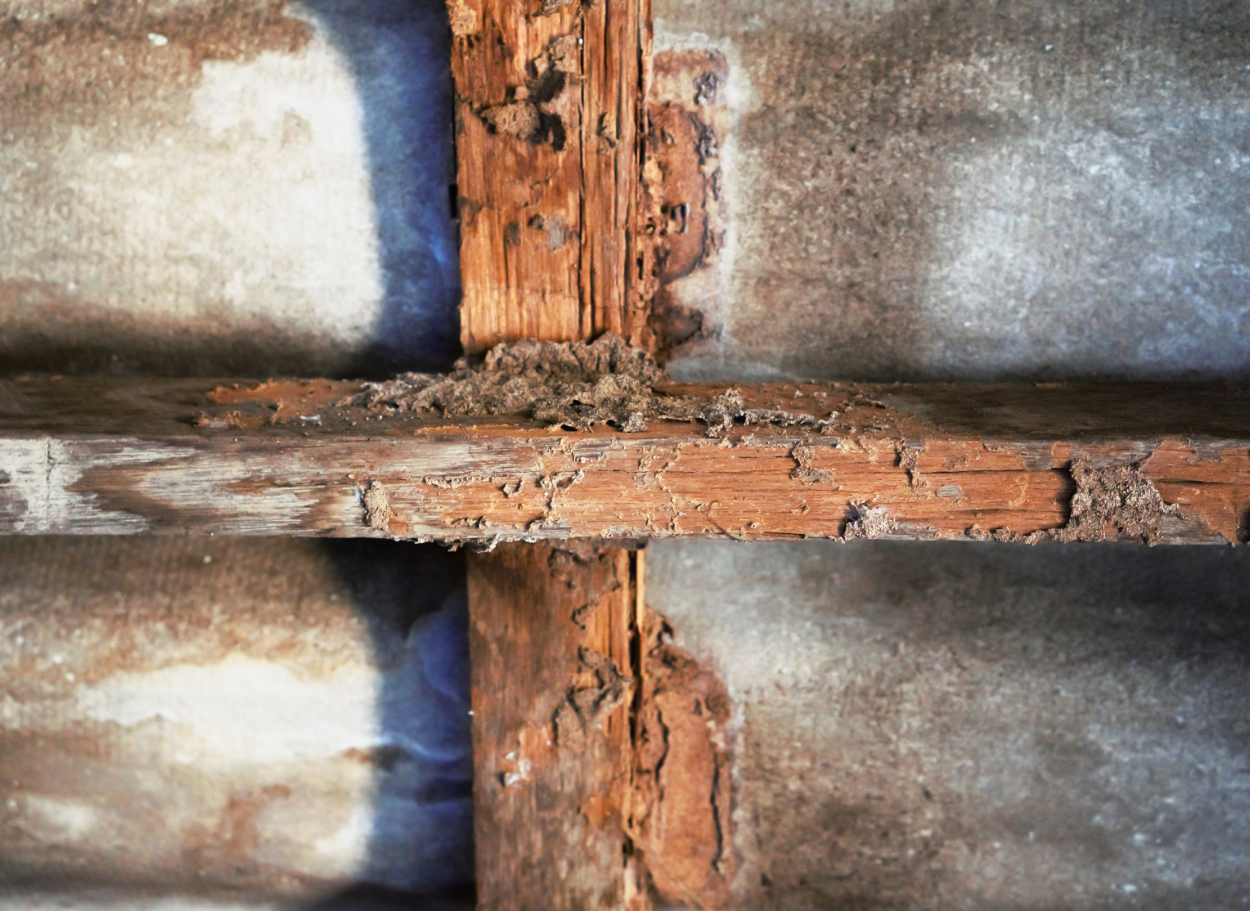
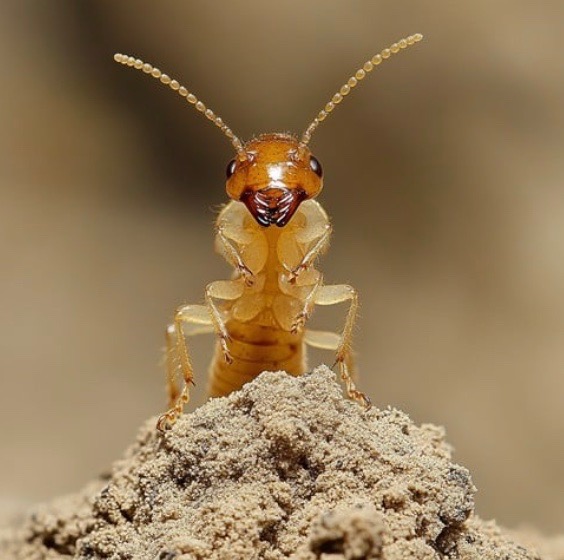
Most homeowners think about termites when they hear a hollow knock in a wall or spot mud tubes climbing a foundation. What often gets missed are the structures sitting a few steps beyond the back door. Decks, fences, and sheds are frequent termite targets because they combine three things termites like best: wood, moisture, and quiet. These outdoor structures also tend to go longer without close inspection, which gives colonies time to work.
That matters because exterior wood damage rarely stays isolated. A neglected fence line can point to broader termite pressure on the property. A deck with hidden decay can become a safety issue long before it looks bad from the yard. A shed may seem less urgent than a main house, but if termites establish themselves there first, they have a ready bridge to larger and more expensive wood sources nearby.
This is where professional Termite Control Services earn their keep. Good service is not just a treatment around the house perimeter. It is a property-wide strategy that identifies conditions termites exploit, protects vulnerable structures, and reduces the chance that a small issue becomes structural repair work. Outdoor wood has its own set of risks, and the best termite programs treat those risks as part of the whole picture.
Why outdoor structures are so vulnerable
Decks, fences, and sheds live hard lives. They get wet, dry slowly in shaded spots, sit close to soil, and often have hidden joints where water lingers. Even when they are built well, time works against them. Fasteners loosen. Sealants fail. Landscaping changes drainage. Mulch gets piled too high. Soil rises against fence posts. A shed floor settles just enough to create damp contact points.
Subterranean termites, the most common concern in many regions, need moisture and typically travel from the soil into wood. Exterior structures give them easy access. Fence posts are a classic example. If a wooden post is set directly into the ground, termites do not need to cross open space to reach it. They can enter below grade and feed from the inside. The post may look serviceable from the outside while the core has already been compromised.
Decks are vulnerable in a different way. Their ledger boards, joist ends, support posts, and stair stringers often create dark, humid pockets that are rarely inspected closely. I have seen decks where the surface boards looked acceptable, but probing around a shaded post base told a very different story. In some cases, homeowners thought they had a minor rot problem, only to learn that termites had been feeding along the same moisture-damaged areas for months or years.
Sheds bring another layer of risk because they often hold cardboard boxes, lumber scraps, paper goods, or old furniture. Those materials do not cause termites, but they can make a shed more inviting and make inspections harder. If the shed sits on skids, has untreated framing near grade, or rests on poorly drained ground, the problem compounds quickly.
Termites rarely work alone, and that changes how protection should be approached
One of the most useful things a skilled termite professional brings is judgment. Outdoor wood damage is not always caused by termites, and termite damage often overlaps with rot, fungus, carpenter ants, poor drainage, or simple age. Treating the wrong problem, or only part of the right problem, wastes money.
For example, a fence rail that crumbles under pressure may be suffering from water exposure more than insect activity. But if the post below has mud shelter tubes attached or the wood shows galleries packed with soil, that points strongly toward subterranean termites. A seasoned technician does not just apply product and move on. They read the evidence. They look at moisture patterns, wood contact points, and construction details. They distinguish cosmetic wear from active risk.
That distinction matters because protection is not one-size-fits-all. A decorative cedar fence with metal post bases has a different risk profile than a pressure-treated privacy fence with wooden posts buried directly in damp clay. A raised shed on concrete piers behaves differently than one built on a wood skid foundation laid over bare earth. The details decide where termites are likely to enter and how treatment should be designed.
What Termite Control Services actually do for decks
Homeowners usually notice deck problems at the visible surfaces first, cupped boards, soft spots, popped fasteners, or cracked stain. Termites tend to show up where people look less often. Support posts near grade, beam pockets, ledger attachments, and the underside of stairs are common trouble areas. Shaded decks are especially vulnerable because the wood stays damp longer after rain or irrigation.
Professional Termite Control Services usually begin with a close inspection of every structural component that can be accessed. That includes probing suspect wood, checking for shelter tubes on masonry or piers, and evaluating whether soil or mulch is too close to wooden members. If the deck is attached to the house, the inspector should pay particular attention to the connection area because termite activity there can affect both the deck and the home structure.
Treatment options vary by construction and local regulations, but the general goal is straightforward. Eliminate active termites, establish a protective barrier or baiting system, and reduce the environmental conditions that made the deck attractive in the first place. In practice, that might mean treating soil around support posts, installing a bait system in nearby ground, applying targeted wood treatments to accessible members, and recommending drainage or clearance improvements.
Wood treatments can be useful, but they are not magic. If a deck post is already deeply compromised, treatment will not restore its strength. That is where experienced providers are valuable. They know when control measures are enough and when repairs or replacement are the safer call. I have seen homeowners spend money on treatment alone when the better answer was treatment plus replacing two load-bearing posts and correcting the grading around them. The added expense up front was far cheaper than rebuilding half the deck a year later.
Fences tell an early story, if someone knows how to read them
Fences are often the first structure on a property to show termite pressure because they sit directly in the path termites travel. Yet they are also the structure people ignore longest. A leaning panel is blamed on weather. A loose picket gets a quick nail. A failed gate post is written off as old age. Sometimes that is all it is. Sometimes it is the earliest visible clue that termites are active across the yard.
Wooden posts are the weak point. Even pressure-treated lumber has limits, especially in wet soil or when installation was poor. Once termites enter below grade, damage can hollow a post from the inside while the exterior remains relatively intact. Fence rails, pickets, and gate frames can also be affected, but the structural consequence usually starts at the post.
A good termite professional inspects the full fence line, not just the section a homeowner points out. Patterns matter. If several posts on the shaded side of a yard are failing faster than others, the issue may be moisture retention plus termite activity. If damage clusters near stacked firewood, overwatered planters, or a chronically damp sprinkler zone, that helps shape both treatment and prevention.
Fences also raise a practical question about cost. Sometimes spot treatment is reasonable. Sometimes replacing select posts with non-wood alternatives while protecting the surrounding soil makes more sense. The best advice is rarely the most dramatic. It is the most appropriate to the structure, the infestation level, and the homeowner's budget.
Sheds are small buildings, but the risks are not small
Because sheds are detached, homeowners often treat termite activity there as a separate problem. It is not. A colony feeding in a shed is on the same property, often in the same soil zone, and just as capable of expanding toward the main home or other structures.
Sheds have several common vulnerabilities. Many are built with minimal site preparation. They may sit on bare ground, have poor airflow underneath, or contain untreated framing close to soil level. Their roofs and doors may leak for years before anyone notices. Once moisture gets inside, stored materials absorb it, clutter increases, and inspection becomes difficult. That is ideal cover for termites.
Professional termite work in and around a shed usually starts Termite Control Services with clearing access enough to inspect the perimeter, floor framing, wall bases, and stored contents near the ground. If there is a crawl space underneath, even a shallow one, it deserves close attention. Mud tubes, blistered wood, and soft flooring are common clues, but sometimes the first sign is a swarm of winged termites around a window or light.
Treatment plans for sheds tend to succeed best when paired with practical corrections. Improving airflow, elevating stored items off the floor, fixing leaks, and creating visible clearance around the perimeter all make a difference. When a shed remains dark, damp, and packed wall to wall, even a successful treatment is harder to monitor over time.
Prevention works best when it is built into the landscape
The most effective termite protection for outdoor structures often starts before chemicals or bait enter the conversation. Construction details and yard conditions heavily influence termite pressure. Professional services that ignore those factors are doing only half the job.
A few site conditions repeatedly show up on problem properties:
- Wood in direct contact with soil
- Persistent moisture from drainage, irrigation, or shade
- Mulch or debris piled against structural wood
- Hidden access caused by dense vegetation or stored items
- Delayed maintenance on leaks, cracks, and failing finishes
None of these guarantee termites. Together, they create favorable conditions. The reason professionals point them out is not to sell more work. It is because termite control is strongest when treatment and habitat correction support each other. If support posts stay wet year-round, or if a fence line remains buried in mulch, the property keeps inviting trouble.
I once looked at a backyard where a new owner was convinced the previous termite company had done poor work because several fence posts failed within two years of treatment. The actual problem was a combination of constant sprinkler overspray, heavy mulch mounded around the posts, and a grade that trapped water along the fence line. The treatment was not the only issue, but no chemical program was going to overcome those conditions by itself.
The difference between DIY attention and professional protection
Homeowners should absolutely keep an eye on their own property. In fact, the earlier they notice changes, the easier the fix usually is. But there is a clear boundary between useful homeowner vigilance and true termite control.
A homeowner can spot sagging boards, bubbling paint, hollow wood, or mud tubes. They can trim back vegetation, move stored items away from walls, and keep mulch from touching wooden components. Those steps matter. What they cannot reliably do is determine the extent of infestation, identify all likely entry points, or choose the right treatment method based on structure type, species pressure, and local building conditions.
Professionals bring tools, training, and pattern recognition. They know how termites behave in soil, how colonies exploit hidden pathways, and how treatment products interact with different construction materials. They also know when a symptom that looks minor points to a larger concern. That kind of judgment is hard to replace with a flashlight and a weekend inspection.
There is also a safety issue. Decks and sheds can have concealed structural damage. Climbing under a weak deck or entering a compromised shed floor area without understanding the risk is not wise. When there is any doubt about load-bearing members, professional assessment should come first.
What to expect from a thorough service visit
Not all termite inspections or service plans are equally useful. The strongest providers do more than glance at the house perimeter and quote a generic treatment. They evaluate the entire property with an eye toward current activity, future risk, and structural vulnerability.
A solid visit usually includes examination of the main residence and any wooden outbuildings or attachments, including decks, fences, pergolas, and sheds where accessible. The technician should note wood-to-soil contact, moisture issues, drainage concerns, and areas that cannot be inspected due to storage or vegetation. If active termites are found, the provider should explain whether the issue appears localized or part of a broader infestation pattern.
Good recommendations are specific. Instead of saying "reduce moisture," a capable technician might point out that the downspout discharges beside the deck stairs, or that the fence line on the north side remains damp because irrigation is hitting it twice a day. Those details tell you the person is observing the property, not reciting a script.
Homeowners should also expect plain talk about limitations. If a shed is packed floor to ceiling and the lower wall framing cannot be seen, no honest company should claim a complete inspection there. If certain fence posts are too deteriorated to save, the recommendation should say so. Straight answers are a sign of professionalism.
Treatment methods and how they fit outdoor structures
The right approach depends on the termite species, the layout of the property, and the type of wood construction involved. Soil treatments can be highly effective where subterranean termites are the concern, especially around support areas and perimeters. Baiting systems can work well as part of a broader monitoring and control plan, particularly on properties where continuous observation is valuable or where treatment access is limited.
Localized wood treatments may help in accessible areas, especially for detached structures or specific components. Still, they are usually just one part of the answer. If termites are coming from the soil, focusing only on the wood they are eating today may miss the broader route they are using tomorrow.
There are trade-offs. Soil treatments can provide strong immediate protection but depend on access and proper application. Bait systems are less intrusive in some settings and can provide long-term monitoring, but they require maintenance and patience. A provider who explains those trade-offs clearly is usually worth listening to.
When repairs need to happen alongside termite control
One mistake homeowners make is treating termite work and carpentry work as separate decisions that can be delayed independently. Often they can be, but not always. If a deck support post is weakened, if a fence gate post no longer carries load safely, or if a shed sill is failing, repair timing becomes part of the termite conversation.
The right sequence usually looks like this:
- Confirm the extent and location of termite activity
- Stop active infestation with an appropriate treatment plan
- Replace structurally unsound components
- Correct moisture and soil-contact issues during repairs
- Schedule follow-up monitoring
This sequence matters because replacing wood without controlling termites can invite reinfestation, while treating without addressing failed materials can leave a safety hazard in place. In the field, the most durable results come when pest professionals and repair contractors, or one company capable of coordinating both, address the problem as a system.
The long view saves the most money
Outdoor structures age gradually, and termite damage often advances the same way. That slow pace is deceptive. A homeowner may postpone action because the deck still feels mostly solid, the fence still stands, or the shed still closes. Meanwhile, termites continue feeding where no one looks. By the time visible failure appears, costs rise fast.
A modest annual inspection and timely maintenance usually cost far less than replacing a deck frame, rebuilding long runs of fencing, or repairing a shed floor system. More important, early intervention preserves options. You can reinforce a vulnerable area, adjust drainage, treat selectively, and monitor. Once structural damage becomes widespread, choices narrow.
The real value of professional Termite Control Services is not just that they kill termites. It is that they protect the useful life of the structures people rely on every week without thinking much about them. A backyard deck is where families gather. A fence provides security and privacy. A shed protects tools, equipment, and seasonal storage. These are working parts of the property, and when termites get into them, the damage is rarely just cosmetic.
The best protection comes from attention, expertise, and follow-through. Inspect the whole property, not just the house. Take outdoor wood seriously. Fix the moisture problems termites love. And when signs appear, bring in a professional who understands how Termite Control Services these structures are built, how termites move, and how prevention works over the long term. That is how decks stay safe, fences stay upright, and sheds stay useful for years longer than they otherwise would.
Maximum Pest Control
836 NE 7th Terrace Suite #5
Cape Coral, FL 33909
+1 239-772-7363
FAQ About Termite Control Services
What are two signs of a termite infestation?
Mud tubes along a foundation and piles of shed wings near doors or windows are two signs to investigate. Mud tubes are associated with subterranean termites. A licensed inspector can identify the insect and assess whether there is active infestation.
How many years does a termite treatment last?
There is no single timeline for all treatments. The method, site conditions, and maintenance affect how long protection lasts. Bait systems rely on monitoring and service. Ask the provider for the recommended inspection schedule and the terms of any coverage.
Is Termite Treatment Expensive in Cape Coral?
Cost depends on the termite species, the size and construction of the property, the extent of activity, and the treatment method. Request a written estimate after inspection and ask whether monitoring, follow-up visits, and renewals are included.